Search the live MLS feed
Skip the paid 'foreclosure list' sites. Every genuinely for-sale foreclosed home on Long Island appears on OneKey® MLS — which is exactly what our search displays, with no subscription.
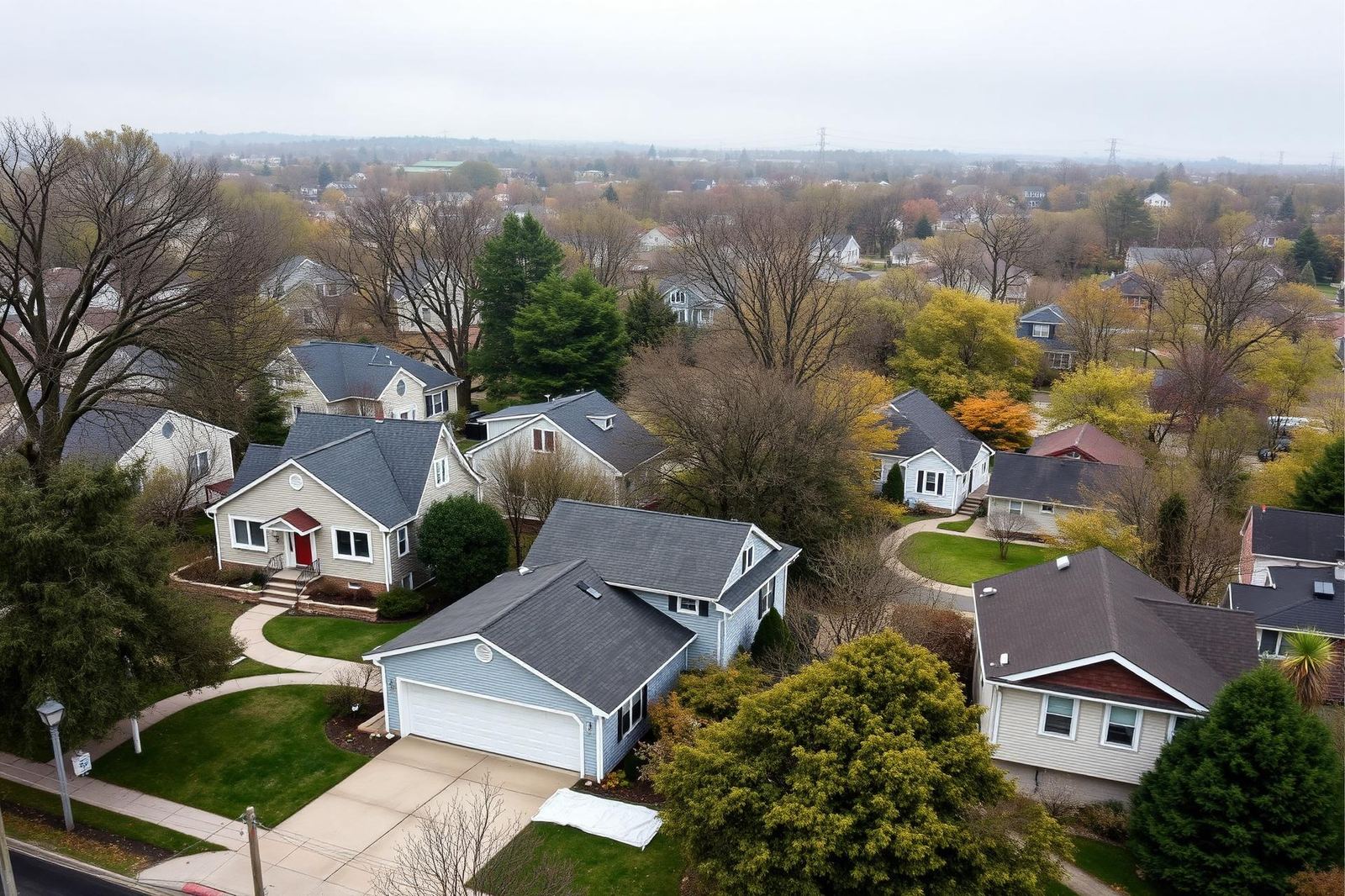
'Foreclosed home' covers four very different things on Long Island: pre-foreclosure homes still owned by the borrower, short sales awaiting lender approval, courthouse auction properties, and bank owned (REO) homes already taken back by the lender. Each has its own price, risk, and financing profile — and knowing which one you're looking at is the difference between a bargain and a very expensive mistake.
Pre-foreclosure means a lis pendens has been filed but the owner still holds title. These homes are often not listed for sale; buying one means negotiating directly with a homeowner who may still have options. Short sales are listed on the MLS at less than the mortgage balance and require lender approval — typically 60–180 days on Long Island.
Auction properties are sold by a court-appointed referee at the Nassau (Mineola) or Suffolk (Riverhead) courthouse: cash only, 10% deposit on the spot, no inspection, no contingencies. Bank owned (REO) homes are the post-auction inventory the lender lists on the OneKey® MLS with clean title, inspections, and financing allowed.
For the vast majority of Long Island buyers — including anyone using a mortgage — bank owned and short-sale listings are the realistic path. The live search on this site shows all of them in one place, refreshed from OneKey® MLS every 30 minutes.
Skip the paid 'foreclosure list' sites. Every genuinely for-sale foreclosed home on Long Island appears on OneKey® MLS — which is exactly what our search displays, with no subscription.
Distressed volume concentrates in Hempstead, Freeport, Brentwood, Central Islip, Bay Shore, and Riverhead. Nassau's North Shore and the Hamptons produce fewer but higher-value distressed listings.
Add renovation, carrying costs, Long Island property taxes (among the highest in the nation), and any unpaid water or village charges. A $450K foreclosure needing $120K of work is not a $450K house.
Conventional and FHA work on most REO. FHA 203(k) or a renovation loan handles homes that won't pass an appraisal. Auctions require cash or hard money. Have proof of funds before you write.
Municipal liens, unpaid sewer and water charges, open permits, and Certificate of Occupancy violations survive plenty of transfers. On Long Island the open-permit issue alone can stall a closing for months.
An occupied foreclosed home is a legal project, not a renovation project. New York's eviction timelines are long. Confirm vacancy — or price the risk in.
New York is a judicial-foreclosure state, so nothing happens quickly. After roughly 90 days of missed payments the servicer must send the borrower a 90-day pre-foreclosure notice under RPAPL 1304 — a statutory letter listing at least five HUD-approved housing counselors. Only after that window closes can the lender file suit.
Filing the summons, complaint and lis pendens with the Nassau County Clerk or the Suffolk County Clerk starts the public record. From that day the property is a pre-foreclosure and the owner still holds title. New York then requires a mandatory settlement conference under CPLR 3408, usually within 60 days of filing, where modification, short sale or deed in lieu can still resolve the case.
If the case is not resolved, the court grants a Judgment of Foreclosure and Sale, appoints a referee, and sets the auction. Start to finish, a contested Long Island foreclosure commonly runs two to four years — which is why so much of the inventory buyers actually see is short sales and post-auction REO rather than raw pre-foreclosure.
Nassau County auctions are conducted for properties in the county's ten-district footprint and are noticed in a designated legal newspaper; Suffolk County auctions are run at the courthouse in Riverhead. Terms are unforgiving: a 10% certified-funds deposit at the fall of the hammer, balance due typically within 30 days, no financing contingency, no inspection, and no walkthrough.
Every auction has an upset price — the minimum the plaintiff lender will accept, generally the judgment plus accrued interest, taxes advanced and legal fees. When no bidder clears it, the lender credit-bids and takes the referee's deed. That is the moment a foreclosed home becomes bank owned and, weeks later, a normal MLS listing.
A referee's deed carries no warranties. Properly named junior lienholders are wiped out by the judgment, but unpaid property taxes, water and sewer arrears, village charges, open building permits and Certificate of Occupancy violations follow the property. On Long Island the open-permit and unpermitted-addition problem is the most common reason a foreclosure purchase stalls at closing.
Where the sale proceeds fall short, RPAPL 1371 lets the lender seek a deficiency judgment against the borrower within 90 days of the deed delivery. Buyers should also confirm whether a federal tax lien was named, because the IRS retains a 120-day right of redemption after a foreclosure sale.
Assume every foreclosed home on Long Island has been vacant through at least one winter. Frozen and split plumbing, dead boilers, roof leaks that became mold, missing copper, and pulled appliances are routine. Budget contingency at 20% above your contractor's number, and price the property on after-repair value, not list price.
For homes in Suffolk County, add an underground oil-tank sweep and a Suffolk County Health Department septic review; for anything near the water, confirm flood-zone status and current elevation-certificate requirements before you assume an insurance figure.
The workable sequence is: get pre-underwritten (not just pre-qualified) including a 203(k) option; retain a New York real estate attorney who closes distressed files weekly; set up live MLS alerts so you see new inventory the day it lists; inspect immediately after contract; and hold your renovation number when the asset manager pushes on timeline.
Buyers who lose Long Island foreclosures almost always lose on certainty rather than price — a slow lender, a wide due-diligence window, or a contingency the seller's addendum did not allow.
Distressed transactions are a team sport in New York: an attorney for the contract and title, a title company that will actually run municipal searches, a lender comfortable with renovation product, and a broker who holds REO assignments and closes short sales. Homeowners on the other side of the transaction should speak with a HUD-approved housing counselor and, where the case is already filed, with counsel before the settlement conference.
Live OneKey® MLS inventory across Nassau, Suffolk and the East End.
Courthouse auction terms, deposits and upset prices.
The full buyer playbook, step by step.
RPAPL 1304, lis pendens and settlement conferences.
Earliest-stage opportunities and how to approach owners.
The statutes and deadlines that govern every Long Island case.
Last reviewed May 27, 2026 by Kristopher J. Pilles, Licensed NY Real Estate Broker (CCIM, CDPE, MBA), East End Luxury Ltd. This page is general information about New York foreclosure and short-sale practice, not legal, tax, or financial advice. Consult a New York attorney, a CPA, or a HUD-approved housing counselor before acting on your own situation.
Confidential, no-obligation consultation with East End Luxury Ltd. — CCIM, CDPE, MBA.