90–180 days is normal
Jumbo servicers, mortgage-insurance sign-offs, and second-lien negotiations stretch Hamptons approvals well past the 60–90 days typical of a conforming Nassau or Suffolk short sale.
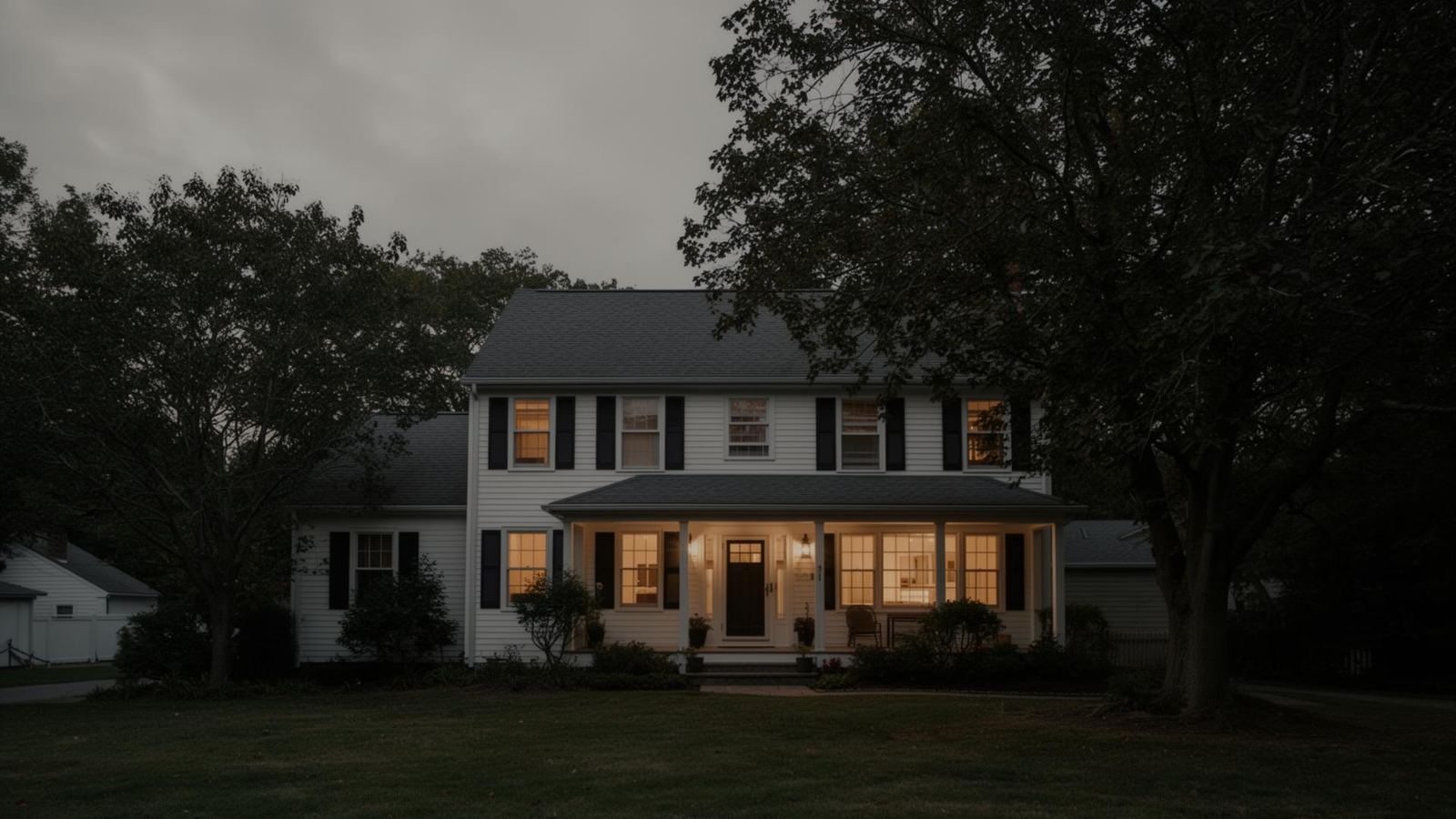
A short sale happens when a home sells for less than the mortgage balance and the lender agrees to accept the shortfall. In the Hamptons these are rarer than in central Long Island — but far larger: jumbo first mortgages, HELOC second liens, seasonal-rental income disputes, and multi-lienholder approvals are the norm. Getting one approved takes a broker who has actually closed them here.
Most Hamptons distressed inventory comes from second homes rather than primary residences. That changes everything about the lender package: there is no hardship-of-shelter argument, the loan is usually a jumbo held in portfolio or securitized privately, and the servicer's loss-mitigation department may not have a standard workflow for the property type at all.
Add the East End specifics — Southampton and East Hampton Town rental-registry rules, wetlands and Trustee jurisdiction, septic and Suffolk County Health Department approvals, and unpermitted pools or accessory structures — and a Hamptons short sale can stall on title and municipal issues long after the lender says yes.
We list and negotiate short sales across Southampton, Bridgehampton, Water Mill, Sagaponack, Sag Harbor, East Hampton, Amagansett, Montauk, Wainscott, Quogue, Westhampton Beach, and Hampton Bays, and we represent buyers making offers on short sales listed by other brokerages.
Jumbo servicers, mortgage-insurance sign-offs, and second-lien negotiations stretch Hamptons approvals well past the 60–90 days typical of a conforming Nassau or Suffolk short sale.
First mortgage, HELOC, IRS or NYS tax liens, and sometimes a mechanic's lien from a stalled renovation. Every one of them must be negotiated down and released in writing before closing.
The single most important line in the approval letter. A Hamptons shortfall can run seven figures — never accept a payoff letter that stays silent on deficiency or reserves the lender's rights.
Financial statement, two years of returns, bank statements, hardship letter, and a defensible BPO or appraisal. Incomplete packages are the number-one cause of Hamptons short-sale denials.
Trustee jurisdiction, Suffolk County Health Department septic approvals, and unpermitted structures surface constantly on East End properties and must be resolved before title clears.
Forgiven debt on a second home is generally taxable income and the primary-residence exclusion may not apply. Involve a CPA early — this is not advice we can give you as brokers.
Short sales on the East End rarely resemble the conforming-loan files that dominate central Long Island. The typical Hamptons distressed seller is carrying a jumbo first mortgage, often a HELOC drawn during a renovation, and sometimes a private or hard-money bridge taken to hold the property through a slow season. Because the property is frequently a second home, the servicer evaluates the file as an investment loss rather than a shelter hardship.
Volume is concentrated where carrying costs outran rental income: Hampton Bays, Westhampton, Quogue, and pockets of Southampton and East Hampton where large builds were financed against optimistic 2021–2022 valuations. Sag Harbor, Amagansett, Bridgehampton and Montauk produce fewer files but far larger shortfalls.
Foreclosure in New York is judicial and slow, but it is not free: the lis pendens is public from day one, the case sits on the Suffolk County Clerk's record, and the eventual referee's deed leaves the owner with no control over price, timing or disclosure. A short sale, by contrast, is a negotiated exit — the owner selects the broker, the buyer, and, critically, can bargain for a written deficiency waiver.
Credit impact is generally shorter-lived after a short sale than after a completed foreclosure, and Fannie Mae/Freddie Mac re-entry waiting periods are usually shorter. For a seller who intends to buy again on the East End in a few years, that difference matters more than the sale price.
Before any Hamptons foreclosure can be filed, the servicer must send the RPAPL 1304 90-day pre-foreclosure notice with a list of HUD-approved housing counselors. Once filed, the summons, complaint and lis pendens are recorded with the Suffolk County Clerk in Riverhead, and the case is scheduled for a CPLR 3408 settlement conference where a short sale is an accepted resolution.
The window between the 1304 notice and the judgment is the seller's leverage. Listing a Hamptons property early — while the lender still faces years of carrying costs, taxes and legal fees on a high-value asset — is the strongest argument for approving a short payoff.
Forgiven mortgage debt can be treated as cancellation-of-debt income. Exclusions that apply to a primary residence may not apply to a Hamptons second home, and the numbers here are large enough that the tax outcome can exceed the negotiating gain. Involve a CPA before you sign a listing agreement, not after the approval letter arrives.
Privacy is a real concern on the East End. A short sale is marketed as an ordinary listing; only the eventual lender approval makes it a short payoff. A foreclosure, by contrast, is a public court file from the day it is filed. We handle East End distressed listings discreetly and do not disclose hardship details in marketing.
Assume 90 to 180 days from accepted offer to closing, and structure your deposit and rate lock accordingly. Verify how many lienholders exist before you invest in inspections — a single first mortgage is a manageable file; a first, a HELOC and a state tax warrant is a project. Ask whether a BPO or appraisal has already been ordered, because that number, not the seller's asking price, is what the lender will approve against.
Do the East End diligence in parallel with the lender's timeline: wetlands and Town Trustee jurisdiction, Suffolk County Health Department septic and sanitary approvals, rental-registry status, and open permits or unpermitted pools and accessory structures. These issues survive lender approval and are the most common reason a Hamptons short sale dies at title.
A complete package — hardship letter, two years of returns, bank statements, a defensible comparative market analysis and a HUD-1 estimate — is what moves a jumbo loss-mitigation file. We assemble that package, negotiate the second-lien release, and push for the deficiency waiver in writing on the approval letter.
Homeowners should also retain a New York attorney and speak with a HUD-approved housing counselor at no cost. Nothing on this page is legal or tax advice.
Bank-owned, auction and short-sale inventory across the East End.
Short-sale listings and representation across Suffolk County.
Confidential options review for East End owners.
Guided intake — address, stage, occupancy and best contact method.
RPAPL 1304 through referee's deed, step by step.
The full lender-approval workflow.
Last reviewed May 27, 2026 by Kristopher J. Pilles, Licensed NY Real Estate Broker (CCIM, CDPE, MBA), East End Luxury Ltd. This page is general information about New York foreclosure and short-sale practice, not legal, tax, or financial advice. Consult a New York attorney, a CPA, or a HUD-approved housing counselor before acting on your own situation.
Confidential, no-obligation consultation with East End Luxury Ltd. — CCIM, CDPE, MBA.